In my estivation…..

Estivation: prolonged torpor or dormancy of an animal during a hot or dry period.
I’m one of these strange creatures whose lowest point of the year is high summer. Yet it turns out I’m not that strange after all! I’m just an estivator, like my cousins the snails and hedgehogs and tortoises and lemurs!

It’s not just the hot part of a given summer day when I enter a torpor. It starts right ahead of the summer solstice and lasts into the early part of September. Even on relatively cool summer days, or during the lovely mountain summer mornings and evenings, each of my attendant parts — physical, mental, emotional — is draggy and slow and heavy. Motivation is a distant memory.

Summer is supposed to be the season of growth and expansion. Outdoor sports and long, busy, social days. I try. I drag my estivating carcass through camping trips and barbecues and outdoor festivities. But mostly I want to follow my friends’ examples:

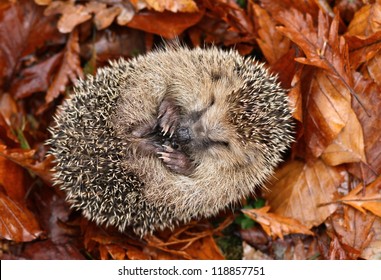
  • When it gets above 86 degrees, hedgehogs estivate by lowering their metabolism, curling up in a ball, spines outward, and hibernating for weeks
  • Desert tortoises estivate in the relative cool of their burrows, where they can go for a year without drinking when their metabolisms are slow
  • The fat-tailed dwarf lemur is a champion among mammalian estivators — they go down for up to seven months, punctuated by “interbout arousals,” which sound like fun
  • Snails retreat into their shells to estivate when it’s too hot and dry for their taste
  • Salamanders, earthworms and lungfish add a neat twist — they cover themselves in a thick layer of mucosal slime for protection during their estivations

Every summer I long to curl up in a prickly ball and ignore everything. It could be “reverse” seasonal affective disorder, where misfits get depressed in the summer instead of the winter. Or maybe my body just has other, seasonal plans.

Wake me up on September 15.
The price of milk

I enjoy milking my cow. It’s very intimate sitting on my bucket, leaning my head against her massive side. I listen to her snuffle through the hay for the best bite, hear and feel her side-to-side chewing and then the great swallow. Her teats are warm and soft in my hands, leathery like I imagine elephant skin. The milk jets into the bucket, full of promise. I imagine I feel contentment rolling off her as she eats her breakfast and gets some relief of pressure with my gentle milking, so much less boisterous than the determined nursing of her calf that comes next.

Now there’s fresh milk in my kitchen. A lot of it. I’ve learned how to make yogurt, ice cream, butter, cottage cheese, hard cheese. Every milky thing we can dream of we have. It’s clean and rich and hasn’t given us a moment of discomfort or concern.

My cow is sweet, the milk is sweet. It’s a lovely cycle.

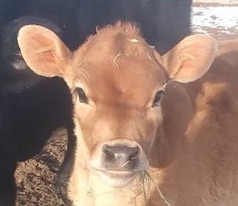
So how do I reconcile the other side of this exchange? To keep in good milk, our cow has a calf every year. The traditional thing to do is butcher these calves after 12-18 months. A calf born, a calf killed, every year.

On a small spread like ours, you get up close and personal with the animals, the way I like it. By the time our current calves reach butchering age, I will have logged thousands of hours with them. Watching over their health, halter training them, scratching their heads, enjoying their playtime, observing their developing minds and bodies. And then I’m supposed to preside over their deaths.

The justifications are many:

  • These calves will have the best possible 18 months of life and the easiest deaths we can provide
  • As long as we consume any dairy products, we’re participating in this cycle, and it’s ethically cleaner to face up to it directly
  • By raising our own milk and meat and sharing it with several families, we are reducing the demand for the services of confined animal feeding operations, hellish places on many levels

Mama cow is grazing contentedly in the meadow. The calves pretend to eat grass, kick up their heels and run in aimless circles, butt their heads together, and return to mama’s side. The milk is sweet, the calves have 16 more months to live.

The justifications are many, and the heartache has yet to be plumbed.

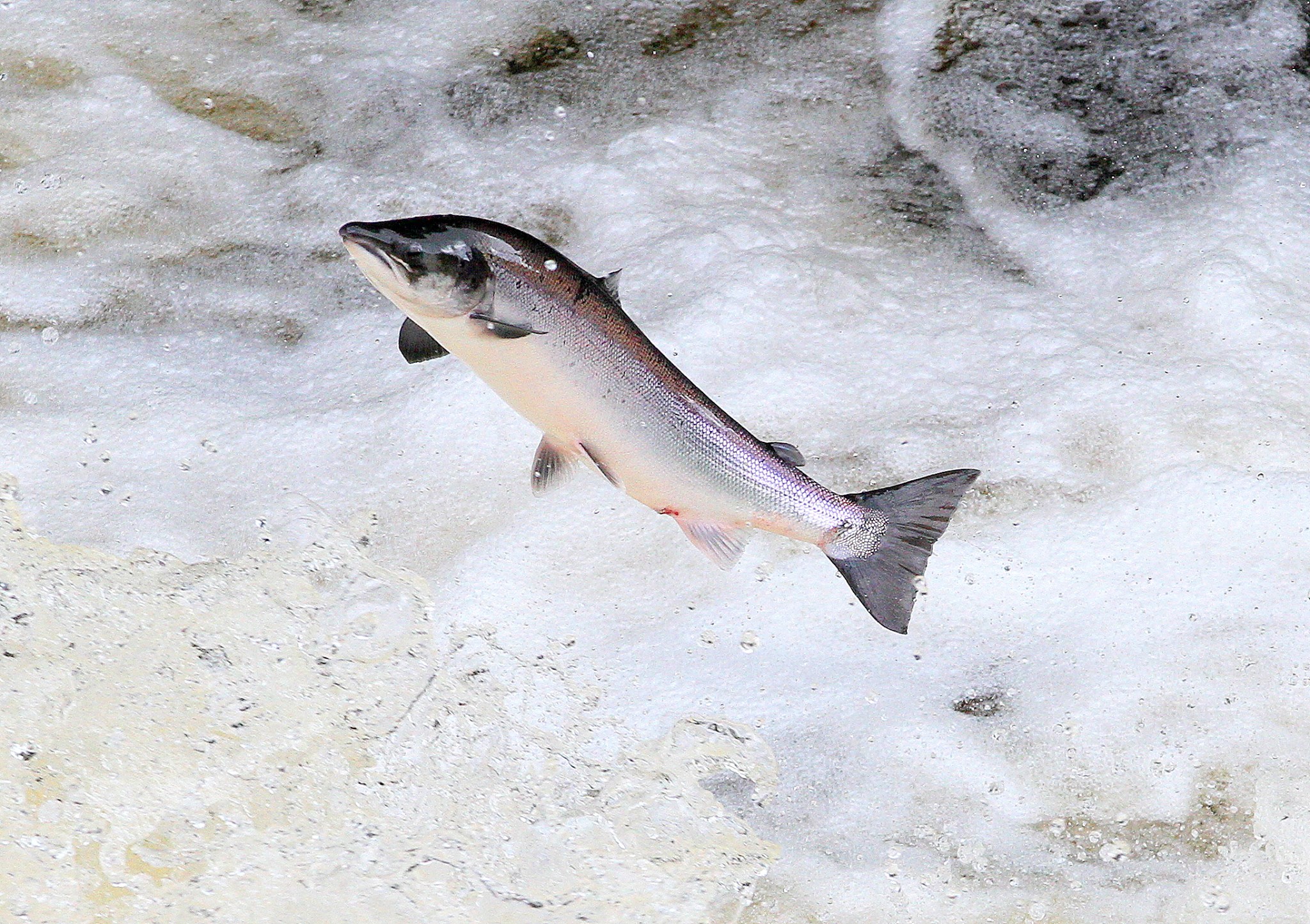
Can the Salmon Explain?


Alister-Kemp-FB-Msg-Image

What does the salmon feel

just before she starts her death trek home?

Is she pulled by dull aching for a home she’s never known?

Is it a restless burn, driving her from behind?

I feel it, too!

Can the salmon explain what is to be done?

She unerringly thrusts herself up the right

impossible stream.

Me, I don’t know which one to climb.

She shows me

— move! leap! to the death!

I stand below

— which way? when? how fast?

I lose sight of her as she rises.